


Learn. Build. Ship.
Courses that explain AI engineering properly. Production projects to build the real thing. Real interview questions to prove it stuck. Everything in one place.
A free concept every weekdayCourses bought once, never rentedNothing renews, ever
Transformers, Illustrated

Evaluation & Observability is complete. All five parts are live, and they are added to the course for everyone who already owns it. No extra cost.
That is how every course works here. You buy it once, and it keeps growing.
See what changed →Build attention from scratch, then check it
- A working single-head block, in numpy only
- Matching a reference implementation within tolerance
- No step-by-step. The brief withholds it on purpose.
“A model handles 4k context fine and falls over at 32k. Walk me through where the cost actually goes.”
What is being probed: whether you know attention is quadratic in sequence length and the KV cache is linear in it, and which one bites first.
See a strong answer →Someone moved roles this month
Four mock interviews, a rewritten profile, and eight weeks. We will name them here once they say yes. Placeholder · needs a real, consenting person
How the help works →What attention heads actually learn
A head is a question the model asks about a sentence, and the answer is a weighted average of what it already knows. Take a concrete one. “The keys that the engineer dropped were hers.”
To resolve hers, something has to reach back to engineer, skipping keys, which is nearer and grammatically tempting.
Keep reading · 8 min left →Recently published
The latest writing, newest first.
 7 minWhy Do GPUs Matter So Much for AI?Behind every large AI model is a massive amount of computation. Discover how GPUs make that computation practical and efficient.WED16ArticleFREE
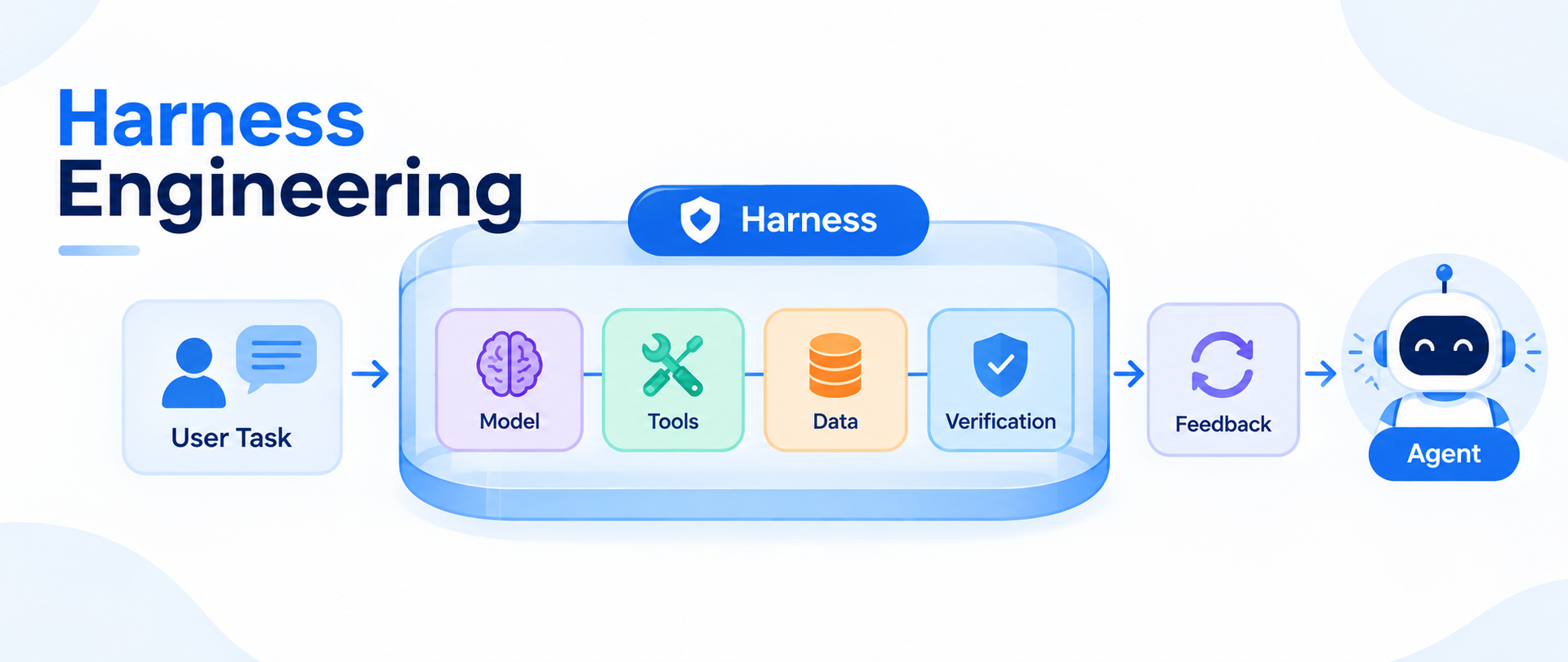 5 minHarness Engineering: How to Build Reliable AI AgentsHarness Engineering is about designing the environment around AI agents with the right context, tools, constraints, verification, and feedback. It turns powerful models into reliable, controllable systems that can complete real-world tasks safely.THU10ArticleFREE
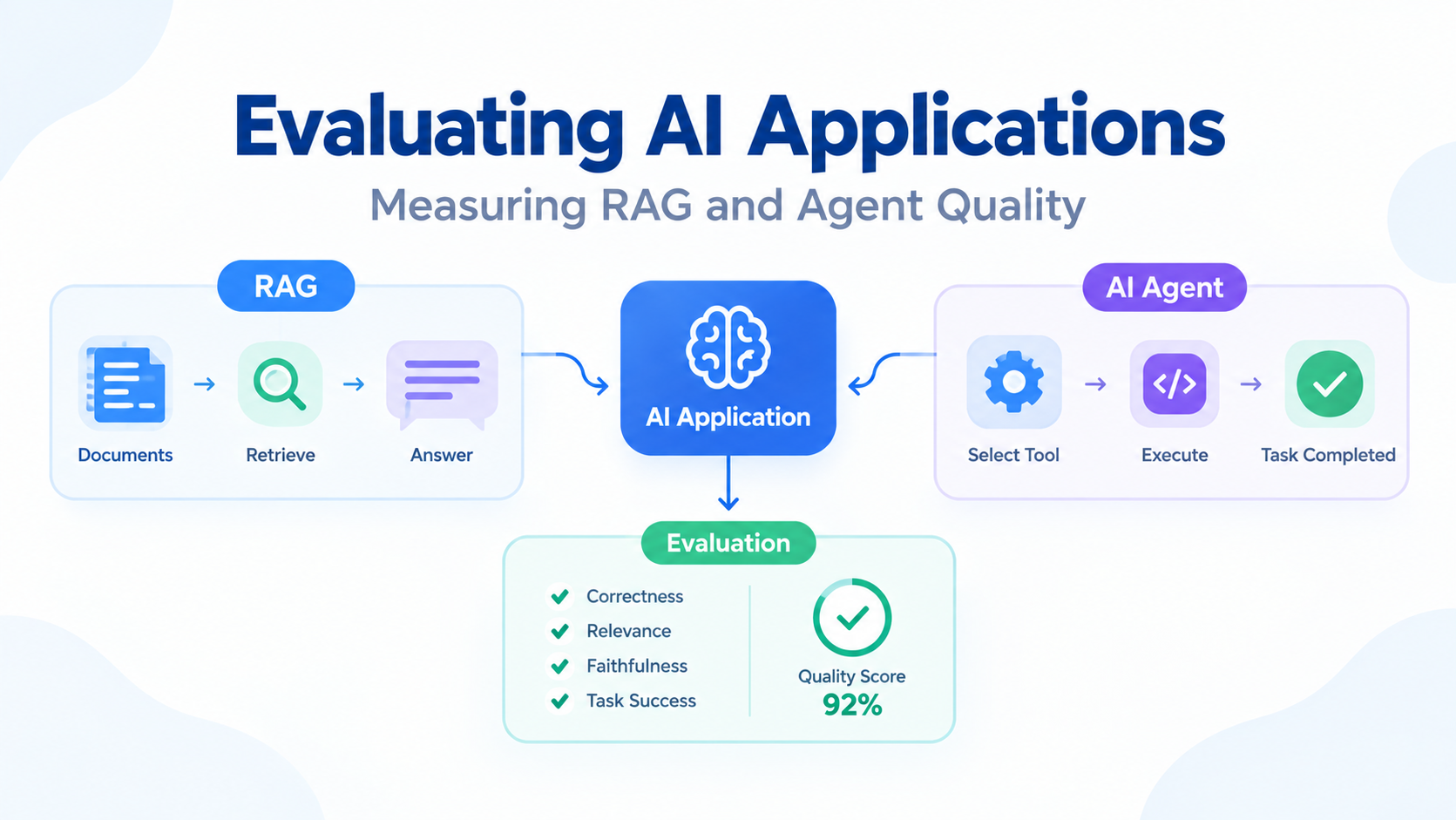 19 minEvaluating AI Applications: How to Measure RAG and Agent QualityLearn how to evaluate RAG systems and AI agents using quality metrics, datasets, human review, LLM judges, regression tests, and release decisions.THU10ArticleFREE
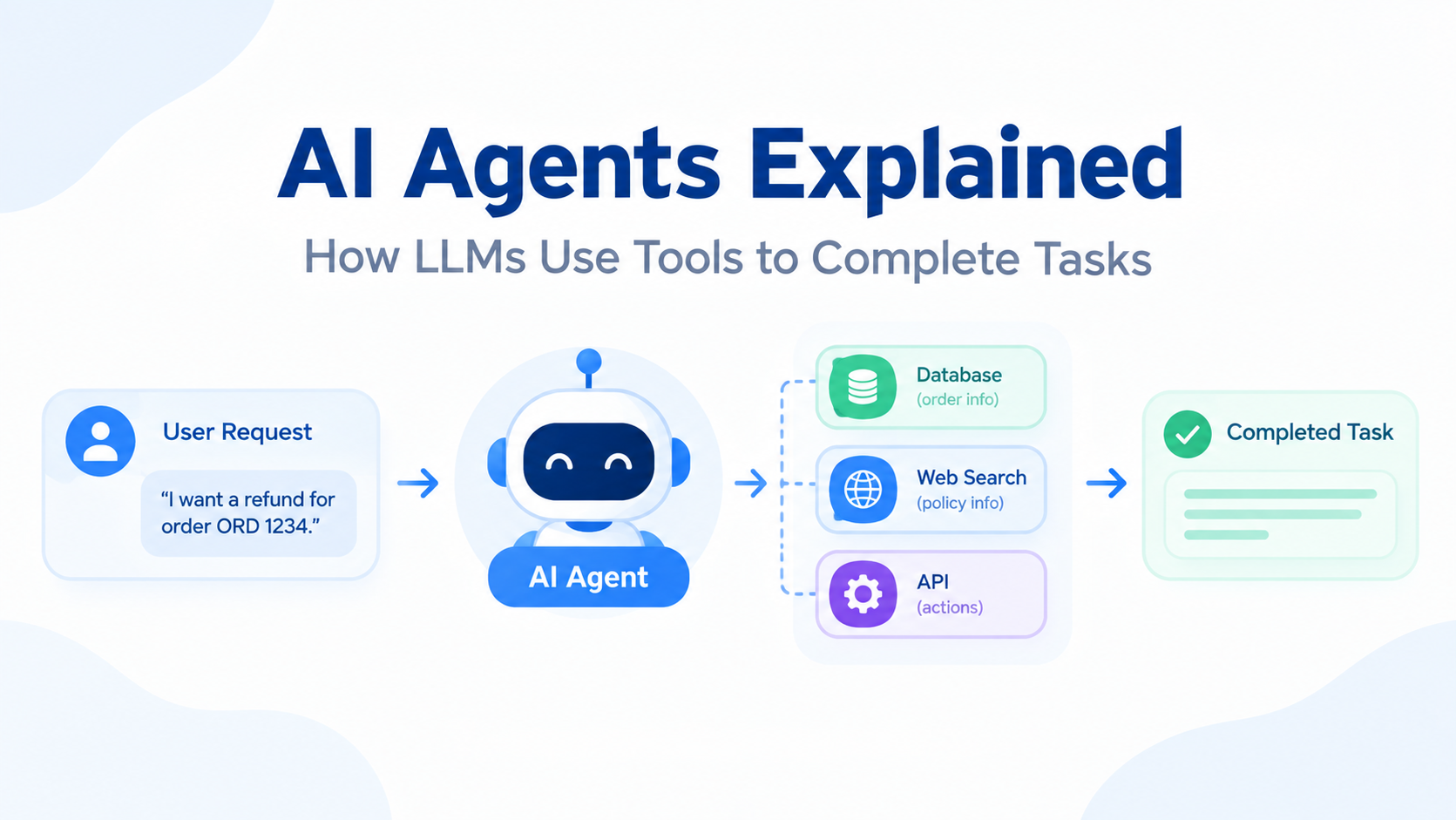 9 minAI Agents Explained: How LLMs Use Tools to Complete TasksAI agents use LLMs to understand goals, make decisions, and use tools to complete tasks through planning, actions, and real-world workflows.THU10ArticleFREE
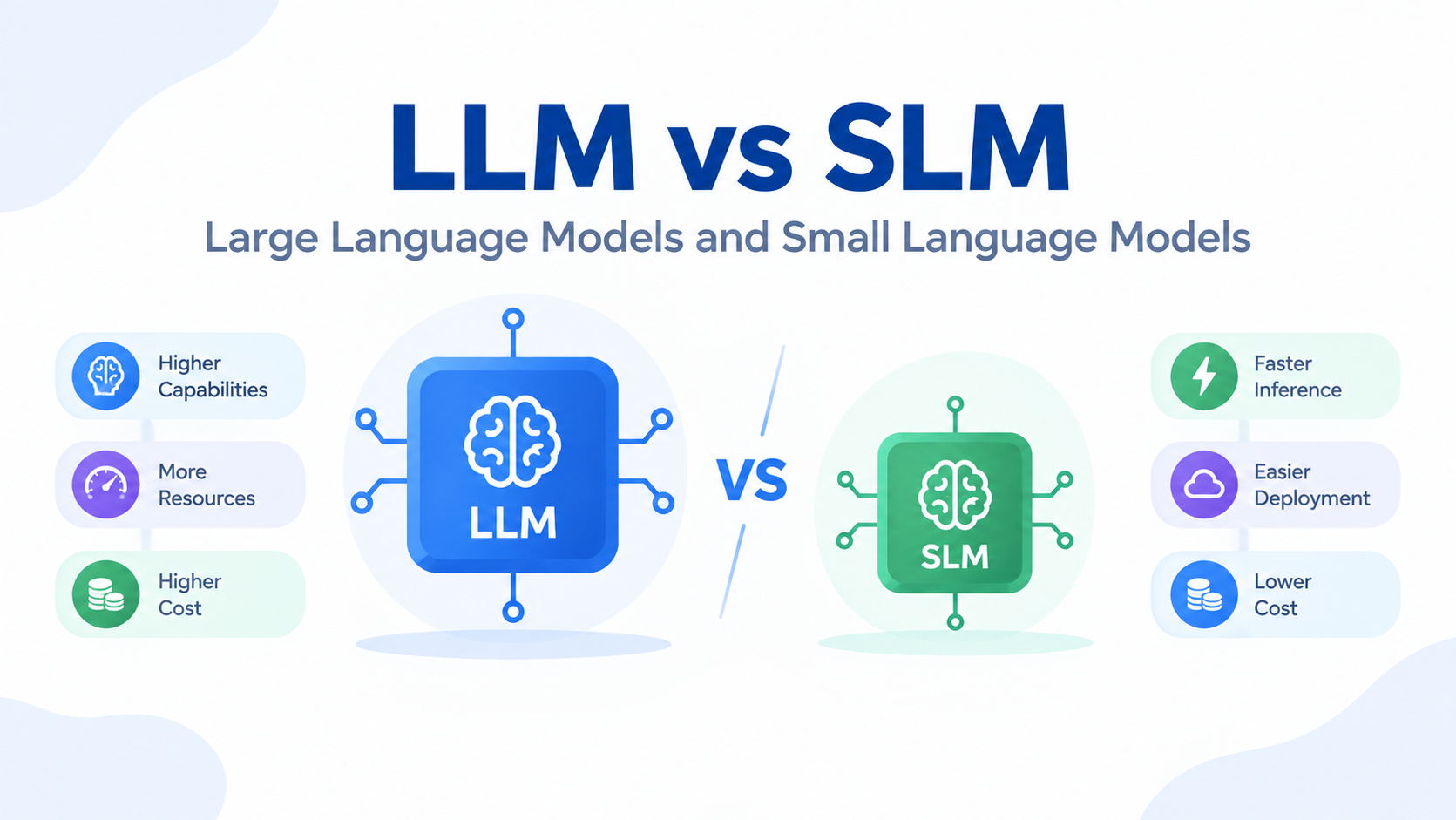 15 minLLMs vs. SLMs: How to Choose the Right Model for Your AI ApplicationMonitor and debug LLM applications with logs, metrics, and traces. Learn to identify latency, retrieval failures, tool errors, rising costs, and AI-specific issues in production.WED9ArticleFREE
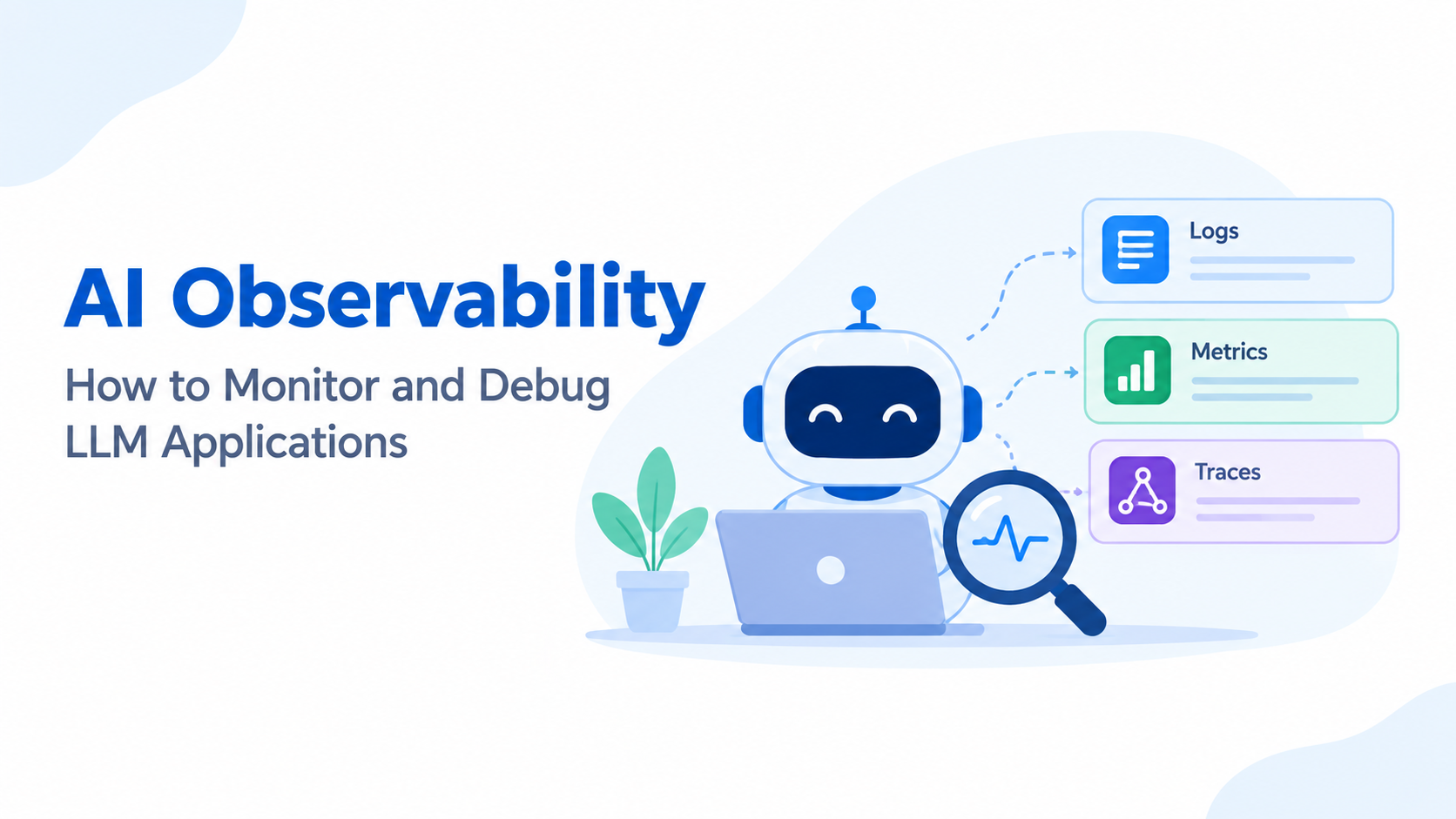 14 minAI Observability: How to Monitor and Debug LLM ApplicationsMonitor and debug LLM applications using logs, metrics, and traces. Learn how to identify latency, retrieval failures, tool errors, costs, and other production issues in AI systems.
A subject, in order,
from first idea to working code.
Every course opens with a free first part.
 79 parts · 9h 13m
One idea, four depths.
Every row below is that same idea, at a different level of commitment. Read it in a minute, follow it through a course, build something that cannot work without understanding it, or sit across from someone asking you about it.
01 Concept Free, no account
Read it →What attention heads actually learn
A handful of heads copy the token that followed the last time this one appeared. That is the whole trick.
02 Course ₹2,400 once
See the course →Transformers, Illustrated
- Tokenisation and embeddings
- Attention from first principles
- What attention heads actually learn
- Induction heads
- 3 more parts
03 Project Ships with its course
See the projects →Find the induction heads in a small model
A brief, not a walkthrough. Finding them needs the architecture, an evaluation you trust, and enough Python to instrument a forward pass.
04 Interview kit 20 free
Try one →Could you answer these?
- Why does a head specialise at all?
- How would you find an induction head?
- What breaks when you scale heads?
Every concept is free.
So is the deep dive behind it.
Every idea gets the one-minute version. Most also have a deep dive: the same idea followed all the way down, ten to twenty minutes, with the code that runs and the part where it breaks. Both free.
Prompt injection
Anything your model reads can give it instructions. A web page, a PDF, a support ticket. If it lands in the context window, it competes with your system prompt.
 Part of Security & Safety · 9 concepts
Browse the concepts
Six areas, one minute each. Pick one to read it above.
A concept you can explain
is not yet a thing you can show.
A course teaches one subject. A project refuses to: it hands you a problem that needs three or four of them at the same time, which is what the job is. Do one before you open an interview kit. Most of what a kit asks is about work exactly like this.
- It cuts across topics.A course follows one subject all the way down. A project needs three or four of them at once, which is how the work actually arrives.
- A brief, not a tutorial.You get the problem, the data and the review checklist. There is no walkthrough to copy, because copying one proves nothing.
- An artefact, in a weekend or two.A repository, a short write-up and one number you can defend. Scoped so you finish it, because an unfinished project proves nothing.
 BuildRetrieval that admits it does not knowRetrievalEvaluationProduction2 weekends
 MeasureAn eval harness that can block a deployEvaluationProductionFoundations1 weekend
 OptimiseThe cost ledger for one LLM featureProductionRetrievalEvaluation1 weekend
 BuildAn agent that stops instead of loopingArchitecturesEvaluationProduction2 weekends
 OptimiseA serving path that holds its P99ProductionArchitecturesFoundations2 weekends
 TrainA fine-tune, and the ablation that justifies itFine-tuningEvaluationArchitectures1 week, part-time
2,240 questions,
from real interviews.
A kit is every question we have collected for one role, grouped by the topic it tests and tied to the course that teaches it. Pick your role to see what is in yours.
640 questions in the AI Engineer kit
20 from every kit are free. The rest come with the course each topic is drawn from.
240questions38% of this kitRetrieval & RAGFull set with RAG Systems in Production
180questions28% of this kitSystem design for LLM appsFull set with Serving & Scaling
120questions19% of this kitEvaluation & observabilityFull set with Evaluation & Observability
100questions16% of this kitCost & latencyFull set with Cost & Latency Engineering
Try one from this kit
Four sample questions. Say honestly whether you could answer each one.
- →Separate retrieval failure from generation failure before touching either
- →Measure recall@k on a golden set rather than eyeballing outputs
- →Check chunk boundaries. The answer often spans two chunks
- →Name the four failure modes and which metric surfaces each
- Every question carries its context.The role, the round and the seniority it was asked at, so you know what level the answer has to reach.
- Every question carries an answer outline.Not a scripted answer. The points a strong one has to hit, which is what an interviewer is actually listening for.
- 20 per kit are free.No account. The rest come with the course that teaches that topic, so a kit is never sold on its own.
Testimonials
What engineers
say.
Some reviewers asked to stay anonymous while they were still interviewing.
4.8average across 4 reviews
The AI Engineering Kit gave me the comprehensive end-to-end knowledge I needed. It perfectly bridged the gap between my software background and modern AI production needs.
SrivaniSDE @ Infosys The LLM evaluation and observability content is genuinely production-grade. Way more practical than any course I'd tried before.
AnonymousML EngineerIdentity protected PracticAI is the reason I stopped freezing up in system design rounds. The production project walkthroughs made abstract MLOps concepts finally click.
AnonymousData Scientist → AI EngineerIdentity protected I especially liked the sections on hybrid search, evaluation, and ingestion pipelines. If you're preparing for RAG interviews, this is a very helpful resource.
AnonymousRAG CandidateIdentity protected
Written by people who
ship this for a living.
Everything here comes from someone who does the work. Nothing is licensed in, nothing is ghostwritten, and every piece carries the name of whoever wrote it.

If I cannot show you the line where it breaks, I have not understood it well enough to write about it.Writes the deep dives and builds the interview kits. Everything here started as his own interview notes.What attention heads actually learnTransformers, Illustrated

A course that never tells you what you got wrong is entertainment. Evaluation is the part that makes it teaching.Owns what a course teaches and in what order, and the evaluation sets that keep it honest.Evaluation & ObservabilityA golden set you can defend

Most latency is queueing, and most cost is a retry nobody logged. Neither shows up in a notebook.Keeps the serving path fast and the costs legible. Writes the production and cost material.Cost & Latency EngineeringA serving path that holds its P99

The question is never whether you know it. It is whether you can still explain it while someone watches.Runs the mock interviews and the resume work, and turns what comes back into new kit questions.The AI Engineer kit1:1 AI Career Guidance
Into an AI role,
with a person in your corner.
Nine one-to-one engagements for students and working professionals. Decide what to aim at, build proof worth showing, then practise being asked about it.

- 01You enquire. Tell us where you are and what you are aiming at.
- 02We scope it. The work is agreed, then quoted for that scope.
- 03It gets booked. A person's time, not a seat on a course.
 Stage 01
Direction3 engagements
Know what to aim at before you spend a single evening studying.
- 1:1 AI Career Guidance60-min live call
- Skill gap audit
- Role-fit shortlist
- Written action plan
- A follow-up two weeks later
- AI Learning RoadmapCustom plan + review call
- 12-week schedule
- Curated resources
- Checkpoint milestones
- One rescope when life happens
- Career Transition CoachingMonthly engagement
- Transition plan
- Positioning story
- Monthly check-ins
 Stage 02
Proof3 engagements
The portfolio and profile that make a recruiter stop scrolling.
- Resume Review & OptimizationAsync + 30-min debrief
- Annotated review
- Rewritten resume
- LinkedIn Profile OptimizationAsync rewrite
- Headline and About copy
- Featured section plan
- Personalized Project GuidanceOngoing, 4-6 weeks
- Project scoping
- Code and design reviews
- Write-up guidance
- A hard conversation if it is not portfolio-worthy
 Stage 03
Reps3 engagements
Practice under pressure, with someone in your corner between rounds.
- AI Mock Interviews60-min simulated round
- Live interview
- Scored feedback
- Recording to rewatch
- Follow-up drills
- AI Interview PreparationMulti-session program
- Topic playbook
- Question bank
- Project narrative
- Mentorship Programs3 or 6 months
- Bi-weekly sessions
- Async support between them
- Quarterly goal reviews
Before you start
The five things people ask most.
How often does something new arrive?
Do I need a maths background?
Can I read on my phone?
Do I keep a course after I have bought it?
Does buying one course open the others?
The newsletter
The same writing,
in your inbox instead.
Every new course, sent the day it is published. Nothing else.